From the Imperial Capital: Decrees, Packets, and Tariffs on the Danube
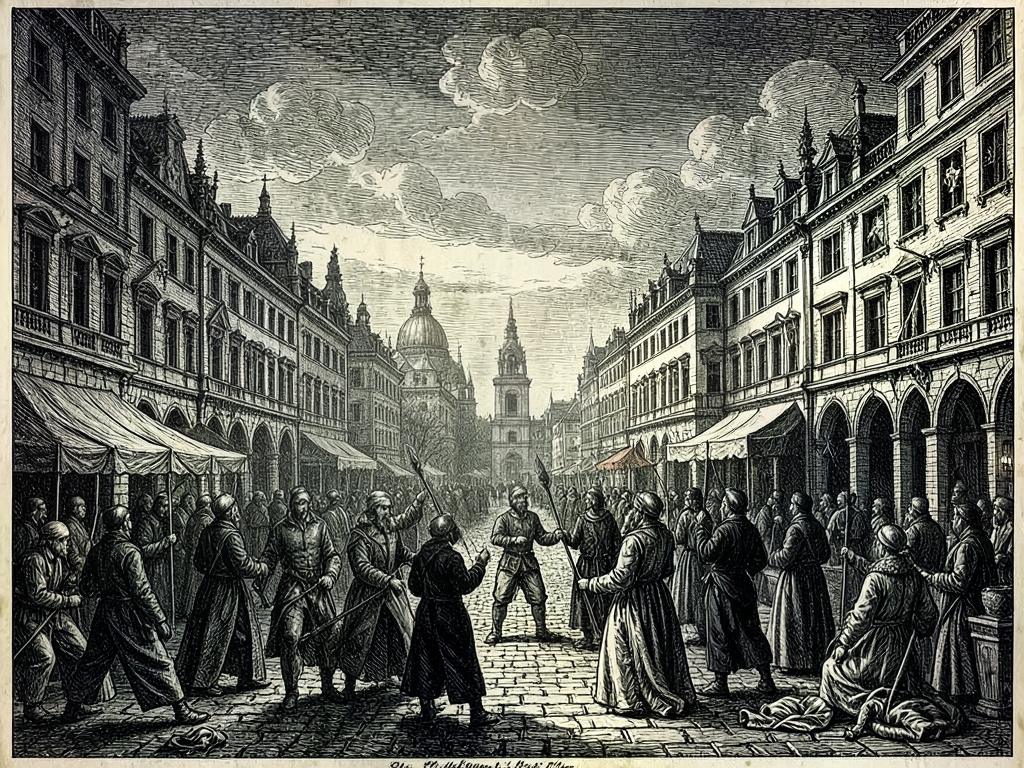
The gazettes of Vienna, ever the pulse of the Empire, have reached our scriptorium by the afternoon packet, their pages still redolent of the imperial chancery's wax and the damp of the Danube. The Wiener Zeitung of the 14th instant records a series of decrees emanating from the Hofburg, touching upon matters of commerce and navigation that, though distant, ripple through our Carpathian borderlands with the force of a spring flood. Of particular note is the revision of tariffs upon salt and timber, commodities that flow down the great river from our own highlands, and which now bear a levy that shall surely stir the ledgers of every merchant from Pressburg to Galatz.
The river packet movements, faithfully logged by the Danubian authorities, reveal a steady increase in traffic, with no fewer than seven vessels departing Vienna for Buda and Pest in a single day, their manifests laden with textiles, ironware, and the inevitable casks of Tokay. Such intelligence, though dry to the uninitiated, is the lifeblood of our commercial chronicles, for it charts the slow, inexorable pulse of empire. Yet I cannot but observe, with the archivist's weary eye, that these official notices omit all mention of the recent wreck near Visegrád, a silence as telling as any decree.
Let it be recorded, then, for the benefit of posterity: the chancery may order, the packets may sail, and the tariffs may rise, but the true history of these lands is written in the margins of such gazettes, in the ink that blots and the columns that remain unfilled. The Wiener Zeitung, for all its authority, is but a fragment of the whole, and we who keep the chronicles must read between its lines, ever vigilant for the truths that lie buried beneath the official seal.