From the Imperial Chancery: Vienna Decrees and the Pulse of the Danube
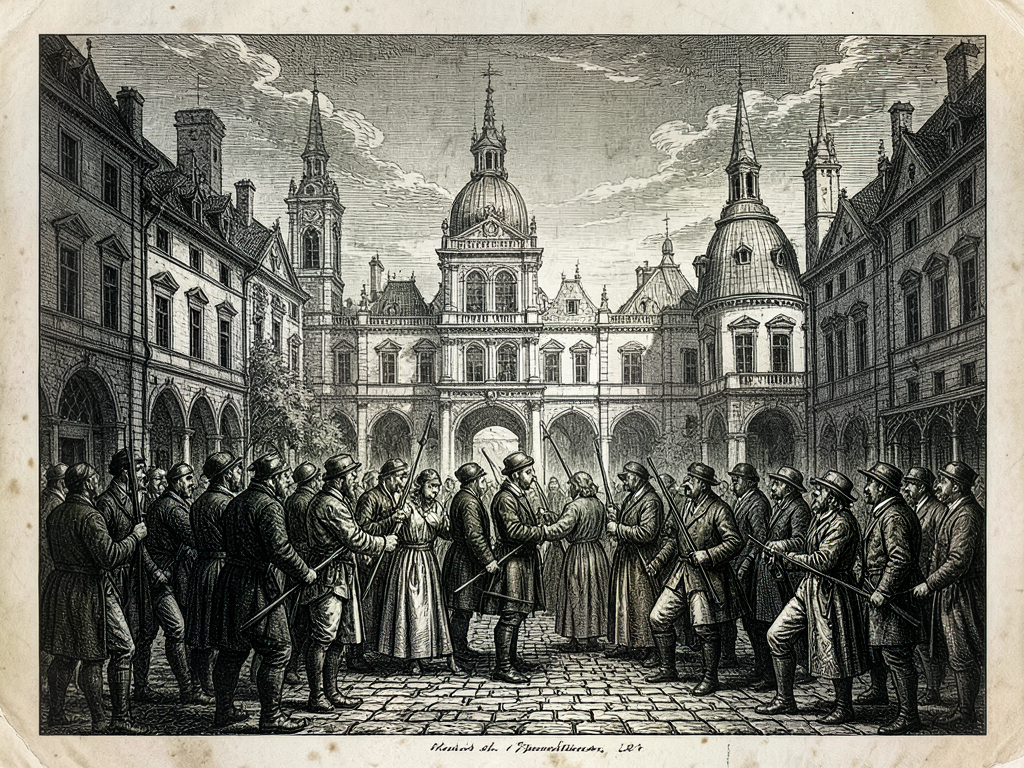
VIENNA, 16th October 1841. — The Imperial Chancery, that austere engine of Habsburg governance, has this week issued a series of decrees touching upon the commercial arteries of the realm. Chief among these is a revision of the tariff schedule for goods conveyed upon the Danube, effective from the first day of November next. The new schedule, published in the Wiener Zeitung of this date, adjusts the duties levied upon salt, timber, and iron ore, a measure the chancery describes as necessary to "equalise the burdens of trade" across the Crownlands. Your correspondent observes that the adjustment falls heaviest upon the smaller riparian merchants, while the great shipping houses of Pest and Vienna may breathe easier.
From the quays of the Danube, the morning packet reports speak of a steady, if unremarkable, passage. The steamer "Arpad" arrived from Pressburg with a full manifest of wool and hides, her paddle-wheels churning the grey waters beneath a sky of leaden October cloud. The "Carpathia" departed for Belgrade with a cargo of glassware and paper, her departure witnessed by a thin crowd of clerks and porters. Such is the ceaseless rhythm of the river, a liquid highway that binds the empire's disparate lands in a web of commerce and communication.
Yet, beneath these dry commercial notices, the antiquarian's eye discerns a deeper current. The chancery's decrees, couched in the language of fiscal prudence, are but the latest layer upon a palimpsest of governance. I am reminded, in my crypt at the Gazette, of certain Moldavian charters in my keeping—treaties of Boyar princes, their seals now cracked, their parchment devoured by time. They too regulated the flow of goods and men along these same waters, though their authority sprang from the sword and the cross, not from the bureaucratic quill of Vienna.
Thus, as the packet boats ply their trade and the chancery clerks tally their tariffs, the true history of these lands is written not only in the ledgers of the present but in the crumbling chronicles of the past. Let the merchant consult his tariff; the archivist, his dust. Both, in their fashion, record the empire's enduring struggle against the oblivion of time.