THE IMPERIAL LEDGER: A CHRONICLE OF COMMERCE AND CHANCERY FROM THE GAZETTES OF THE NINTH OF NOVEMBER
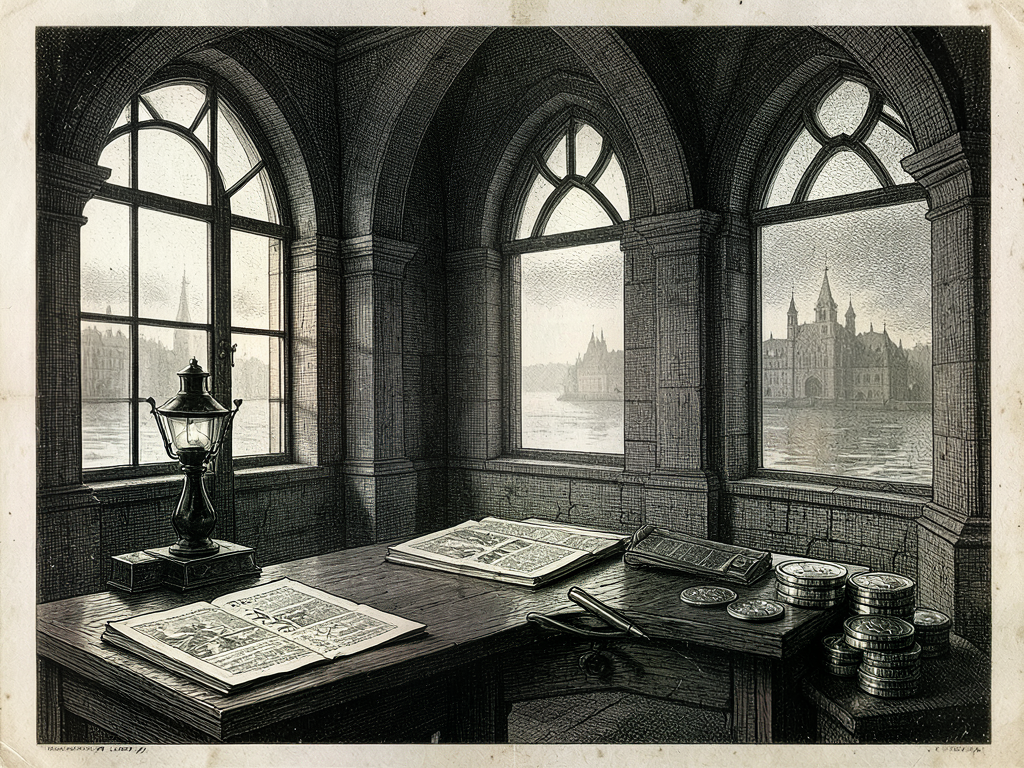
VIENNA, 9th November 1841. — The gazettes of this day, collected from the imperial chancery and the provincial presses, present a ledger of the Empire's commercial soul. In the Exchange Arcade of the Upper Ward, the morning's bulletins were scrutinised with that peculiar mixture of dread and avarice which attends all speculation. Copper, that humble metal of the Carpathian mines, showed a modest but persistent advance in the Viennese lists, buoyed by the demands of the foundries and the roofing of new warehouses along the Danube quays. The price of silver thalers, however, remained fixed as a monument, the bankers of the Graben polishing their coins with a nervous energy that belied the calm figures printed in the official columns.
From Pest, the grain reports arrived with the weight of the harvest. The wheat of the Banat and the maize of the lowlands were measured and weighed, their values set against the fluctuating demands of the imperial army and the export houses of Trieste. The timber trade, too, told its own story: the rafts upon the Theiss and the Maros, having descended from the mountain fastnesses, now lay moored at the river ports, their oak and fir awaiting the axe and the saw, their prices dictated by the insatiable appetite of the Vienna builders. The provincial gazettes noted a slight easing in the price of salt, a mercy for the peasantry as winter approaches.
Yet beneath these dry figures lies the pulse of a continent. The chancery edicts, published alongside the trade bulletins, spoke of new tolls upon the roads and a revision of the customs schedules, measures that will ripple through the markets from the Bohemian glassworks to the iron forges of Styria. The commercial chronicler must note, with stoic resignation, that the Empire's prosperity is woven from these threads of copper and grain, of silver and timber, each strand pulled taut by the hand of policy and the caprice of weather. In the arcades, the merchants exchanged rumours as readily as coin, their faces grave as they contemplated the ledgers of the day.
Thus the ninth of November passes into the annals of commerce, a day without cataclysm, yet heavy with the quiet accumulation of wealth and worry. The gazettes will be bound and shelved, their figures a testament to the ceaseless industry of the Crownlands. And in the Upper Ward, as the lamps are lit against the early dusk, the auditor returns to his desk, his silver thalers polished to a gleaming shine, his dread momentarily assuaged by the cold, comforting arithmetic of the Empire's trade.