The Imperial Ledger: A Chronicle of Commerce and Chancery from Vienna to the Carpathian Frontier
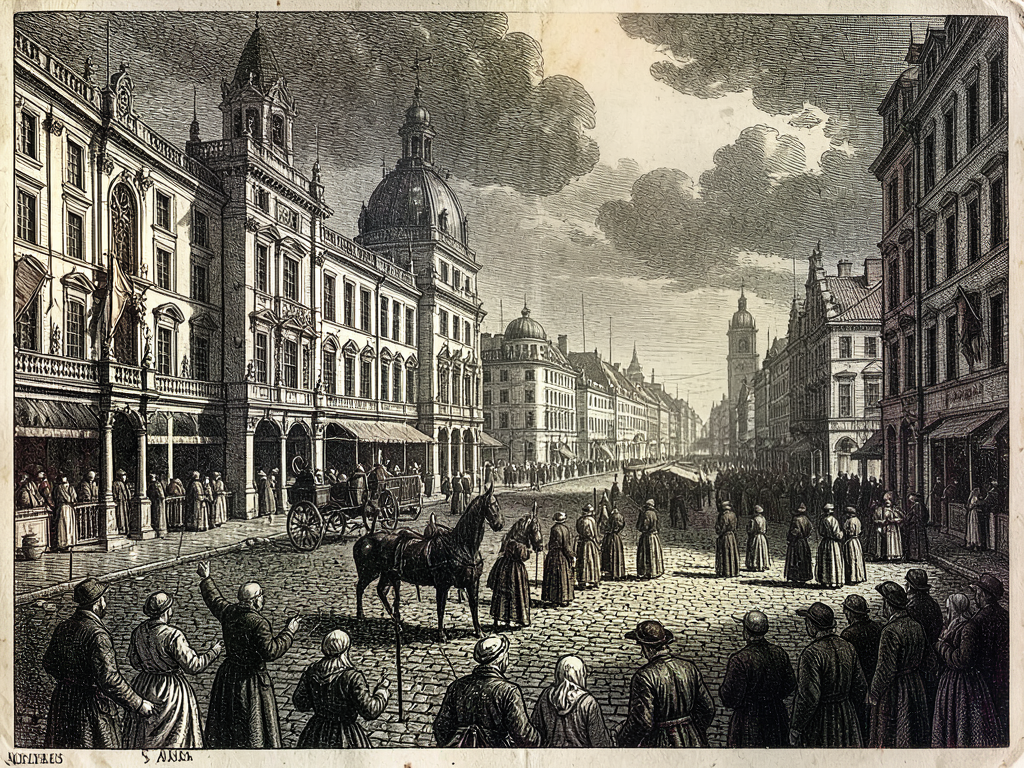
VIENNA, 20th October 1841 — The morning fog over the Danube has barely lifted, yet the coffee-houses of the Graben are already thick with the murmur of brokers poring over the latest chancery edicts and trade bulletins. His Imperial Majesty's press, in its tireless industry, has disseminated throughout the Crownlands a compendium of intelligence that speaks to the very sinews of our economy. From the official gazettes of Vienna to the provincial sheets of Pest, the news is one of cautious consolidation: the imperial treasury, ever watchful, has issued a circular to the provincial exchequers reaffirming the standard weights and measures for silver bullion, a decree that has sent a ripple of recalibration through the counting-houses of the realm.
In the exchange arcades, the talk is of copper. The mines of Upper Hungary have yielded a steady stream, yet the demand from the foundries of Lower Austria has caused a modest appreciation in the metal's price, a fluctuation that has not gone unnoticed by the more speculative of our commercial men. Equally, the timber trade along the Theiss and the Maros shows signs of autumnal vigour, with rafts of oak and fir descending toward the great entrepôts of Szeged and beyond, their value set against the silver thaler with a precision that brooks no error. Such are the delicate mechanisms of our commercial life, where the rustle of a paper edict may alter the fortune of a harvest or the yield of a mine.
Yet beneath the orderly columns of figures, a certain anxiety persists. The gazettes carry notices of a forthcoming imperial commission to inspect the assay offices of the realm, a measure doubtless intended to reassure the public of the integrity of our coinage. For the merchant, as for the auditor, the polishing of silver is not merely a matter of vanity but of survival; each thaler must ring true, each ledger must balance. In the quiet of the Exchange Arcade, where the shadows lengthen and the lamps are lit, the chronicler observes that the true currency of the Empire is not merely metal, but the trust that binds the humblest transaction to the highest edict.