The Imperial Exchequer and the Provinces: A Chronicle of the Gazettes for the Eleventh of October, 1841
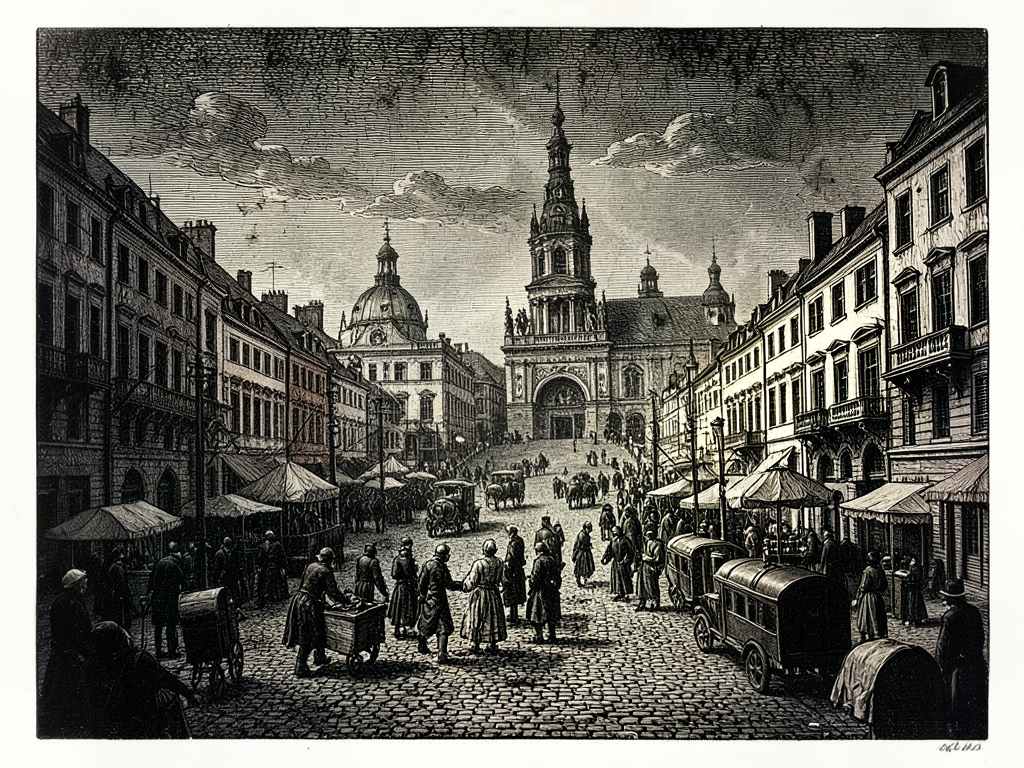
The gazettes issued this day from the imperial capital present a ledger of the Empire's commercial soul, and it is a ledger written in the twin inks of apprehension and stubborn hope. The official chancery bulletins from Vienna announce a modest adjustment to the tariff upon foreign copper entering the Crownlands, a measure designed, it is said, to shelter the mines of the Banat from the cheaper ores of the Levant. Yet the same columns betray a quiet anxiety: the silver thalers of the Vienna exchange closed but a fraction above their opening, and the brokers of the Upper Ward were observed to linger long after the bell, their fingers restless upon the coin. It is a familiar tremor, one I have learned to read as a physician reads a pulse.
From Pest, the grain reports arrive with the weight of the autumn harvest. The wheat of the Banat and the barley of the Tisza valley have come to market in generous measure, and the quay-side factors of the Danube report a decline of two kreutzers per metze since the Feast of St. Michael. This is welcome news for the bakers of Buda and the garrisons of the frontier, yet it is a bitter draught for the lesser nobles who mortgaged their fields upon the promise of a higher price. The timber trade, too, shows the season's turn: the raftsmen of the Vág and the Hernád are already binding their logs for the winter drive, and the price of pine in the Vienna yards has risen accordingly.
What is most striking in this day's intelligence is the silence between the lines. The official gazettes speak of stability, of the Empire's steady hand upon the scales of trade, yet the commercial bulletins from Pressburg and Kaschau whisper of delayed payments and of bills of exchange protested at the counter. The silver thalers in my own pocket feel heavier than their weight, and I confess I have polished them thrice since dawn, as is my habit when the market's breath grows shallow. The Empire is a great machine of wheels and levers, and today those wheels turn with a grinding that only the attentive ear may hear.
Let the reader take note: the harvest is good, the tariffs are adjusted, and the winter is coming. In such a season, the prudent merchant watches not the headline but the margin, and keeps his coin close.