The Imperial Ledger and the Danubian Tide: A Chronicle of Decrees and Tariffs from the Habsburg Chancery
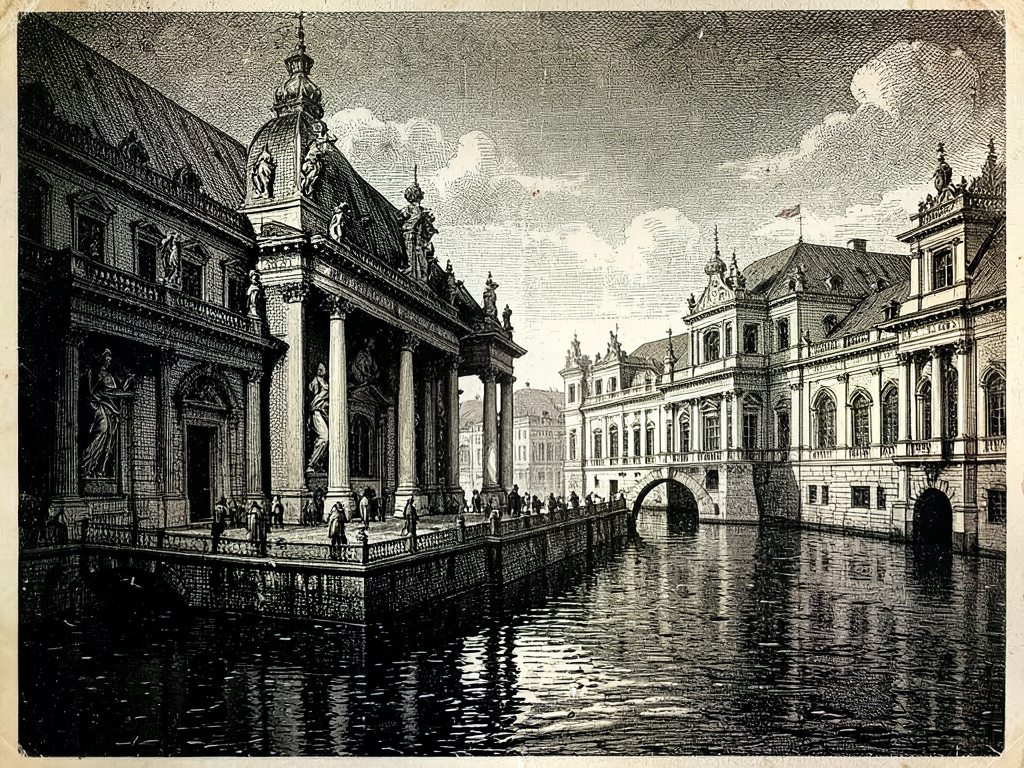
The latest sheets from the Imperial Court and Danube Commercial Gazettes, dated this very 9th of September, Anno Domini 1841, have at last reached our Carpathian fastness, carried by couriers whose boots yet reek of the Viennese cobbles. Within their closely-printed columns, the Habsburg Chancery speaks with a voice of immutable authority, proclaiming decrees that shall ripple through the Crownlands like the slow, inexorable currents of the Danube itself. Here, the Emperor's will is made manifest in the meticulous hand of his scribes, each paragraph a stone laid in the grand edifice of state, yet for the discerning eye, these same lines whisper of a more restless age.
The river packet movements, so meticulously recorded, reveal a veritable ballet of paddle-wheeled steamers and laden barges, their timetables a testament to the new dominion of coal and iron over the ancient waterway. One observes with particular interest the adjustments to the commercial tariffs, wherein the duty on Transylvanian timber has been revised, a matter of no small consequence to our own merchants who brave the Iron Gates. Such fiscal machinations, though dressed in the dry language of the counting-house, are the very sinews of empire, determining the prosperity or ruin of a thousand hamlets strung along the river's sinuous length. The gazette's columns, thus, serve not merely as a record but as a mirror reflecting the relentless pulse of commerce.
Yet, as I peruse these pages by the guttering candlelight of my crypt-side scriptorium, I am struck by a profound disquiet. For these official pronouncements, so certain in their tone, are but a veneer upon a deeper, more turbulent reality. The tariffs and decrees are the bones of governance, but the living flesh of the realm is a mass of local custom, ancient privilege, and whispered dissent. I recall a hidden parchment, discovered in the bowels of a forgotten archive, which suggests that even the most august charters may be built upon the sands of forgery, and thus I wonder how many of these very regulations share a similar, shadowed birth.
Nevertheless, the diligent chronicler must record what is, not merely what might be. The Wiener Zeitung, with its imperial imprimatur, presents a portrait of order in a world that teeters upon the brink of change—where the hiss of steam and the clatter of looms threaten to drown out the chants of the old monasteries. For the merchants of Hermannstadt and the burghers of Kronstadt, these sheets are a vital dispatch from the heart of power. For the historian, they are a fragment of a vast tapestry, one that I shall continue to preserve with ink and bone, knowing full well that the truth, like the Danube, often flows in channels far deeper and more obscure than the surface suggests.