THE IMPERIAL LEDGER UNSEALED: GAZETTES OF THE REALM LAID BARE
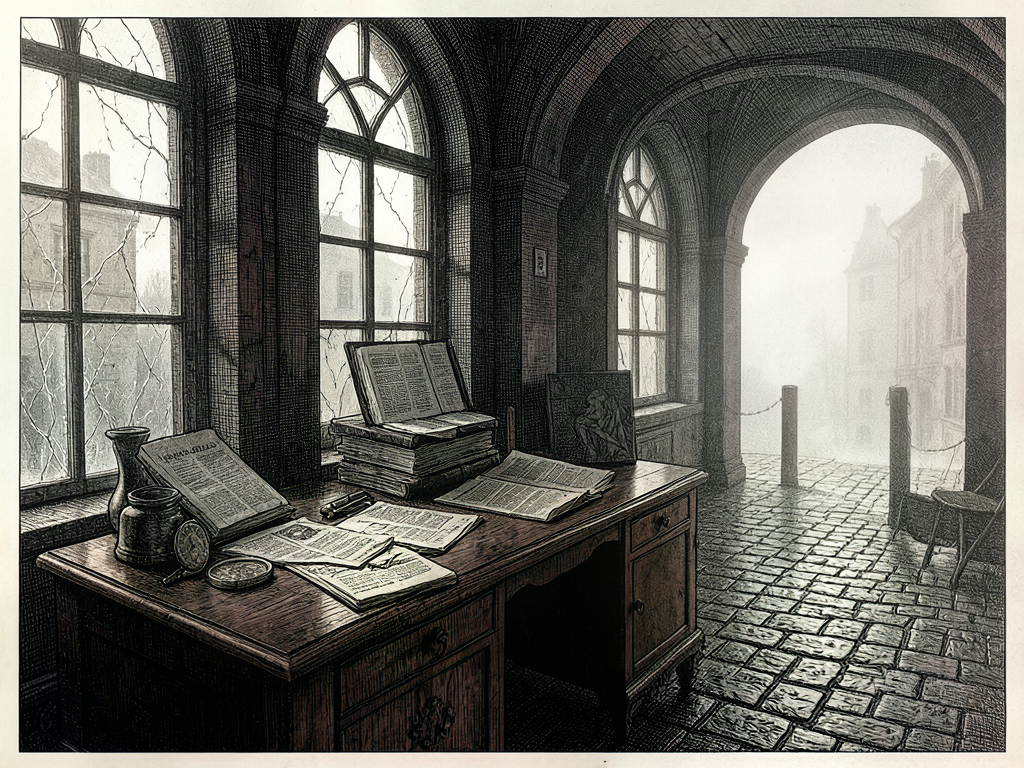
VIENNA, 22nd November 1841 — From the imperial chancery to the provincial coffee-house, the printed word today flows like a dark river through the Crownlands. The collected gazettes of the Empire, now assembled in the Imperial Library, present a meticulous chronicle of commerce and decree. Official edicts from Vienna fix the duty upon imported cotton goods, while the Pest journals report a steady demand for wheat, with prices firming at the Ofen market. The commercial bulletins from the Banat note a slight depression in copper, attributed to the quieting of the mines near Oravicza, and a corresponding anxiety among the shareholders of the k.k. privileged companies.
In our own Carpathian borderlands, the timber trade shows signs of seasonal vigour. The raftsmen of the Maros have begun their perilous descent, and the price of oak staves for the Vienna cooperages has advanced by two kreutzers per fathom. The exchange arcade here in Upper Ward was thick with rumour, and I confess to a certain polishing of silver thalers in my pocket as I surveyed the fluctuating figures—a habit that soothes the nerves when the market trembles. The grain factors of Debrecen, meanwhile, hold their stock in expectation of a harder winter, and the millers of Kronstadt have raised their flour by a full gulden per measure.
From the Austrian Crownlands, the official gazette announces a new survey of the Danube navigation, with a view to easing the passage of salt and iron from the upper reaches. The provincial diets of Bohemia and Moravia publish their schedules of tolls upon the roads, and the glassworks of the Bohemian forest report a brisk export to the Levant. Yet beneath these dry notices runs the eternal current of speculation, and the wise merchant reads the ledgers as a physician reads the pulse. The pestilential fog of November clings to the exchange, and the lamplighters make their rounds earlier each evening, casting a ghastly glow upon the ledgers of gain and loss.