IMPERIAL DECREES AND DANUBIAN TIDINGS: The Wiener Zeitung of 30th October 1841
The Wiener Zeitung of the 30th instant, received at our scriptorium by the morning packet, conveys a fresh catalogue of imperial chancery decrees and commercial ordinances for the Austrian Crownlands. Within its closely printed columns, the hand of the Habsburg bureaucracy is discernible in every paragraph: tariffs upon salt and iron, the regulation of river tolls, and the appointment of commissioners to oversee the grain warehouses of Pest. Such matters, though dry as the dust of our own archives, are the very sinews of the Empire's commerce, and we set them before our readers with the gravity they demand.
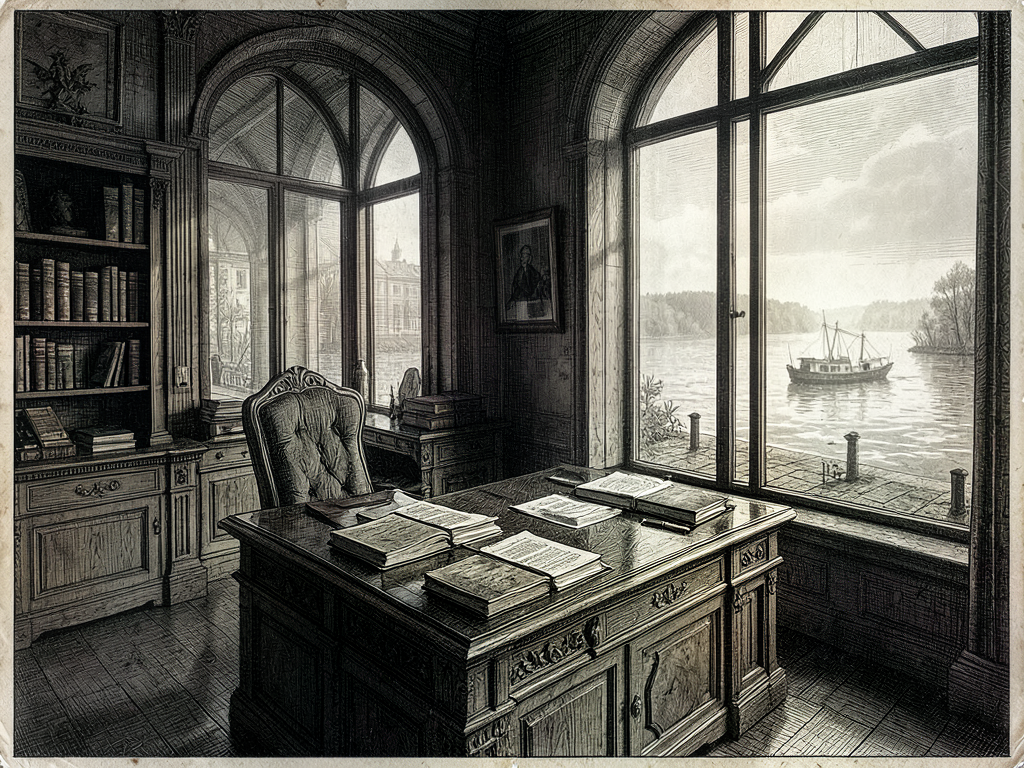
Of particular note is the schedule of packet movements upon the Danube, wherein the steam-vessels of the First Imperial and Royal Privileged Danube Steam Navigation Company are listed with their departures from Vienna, Presburg, and Buda. The river, that ancient highway of nations, now bears the smoke of engines and the clatter of paddle-wheels, and the gazette records each arrival with the precision of a chronometer. Merchants of the borderlands would do well to consult these tables, for the price of a day's delay in the movement of goods may be reckoned in silver and in spoilt cargo.
Yet let no man suppose that these official notices are mere ephemera. In the chancery's decrees we may trace the slow, deliberate hand of the state, extending its reach into the remotest valleys of the Carpathians. The tariff upon timber, the licensing of mills, the regulation of fairs—these are the threads from which the fabric of our daily life is woven. And it is our duty, as chroniclers of this age, to preserve them from oblivion, lest the historian of a future century find our era as dark as we find the fourteenth.
We therefore commend the Wiener Zeitung to the attention of our subscribers, and remind them that the Gazette's own archives, housed in the Cathedral Crypt, remain open to the diligent. There, among the crumbling charters and forgotten treaties, the student may compare the present decrees with those of ages past, and perhaps discern the pattern that binds the Empire's destiny to the flow of its great river.