The Imperial Ledger: Gazettes of the Twenty-Seventh of October, 1841, Reveal Shifting Tides in the Markets of Vienna, Pest, and the Crownlands
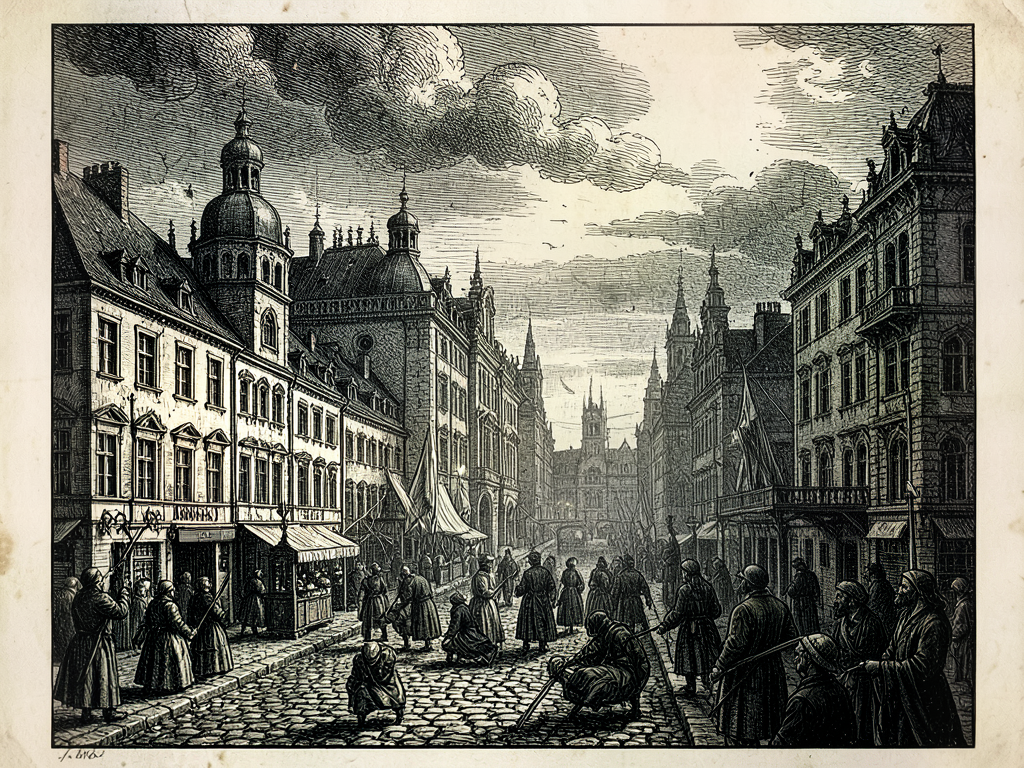
VIENNA, 27th October 1841. — From the lofty reading rooms of the Imperial Library, where the day's gazettes lie freshly bound in morocco and gilt, we discern a most intricate tapestry of commerce unfolding across the Austrian Crownlands. The official chancery edicts, promulgated this very morning, announce a slight diminution in the duty upon imported copper, a measure designed to invigorate the foundries of Lower Austria, yet one that casts a pall over the domestic mines of the Carpathian foothills. In the Bourse of Vienna, the talk is of little else; the silver thalers, those steadfast sentinels of value, are handled with a nervous frequency, as though their very touch might ward off the spectre of depreciation.
From Pest, the grain bulletins arrive with tidings of a bountiful harvest in the Banat, and yet the prices hold firm, a paradox attributed to the voracious demands of the military commissariat. The timber trade, too, presents a curious aspect: the oak of the Transylvanian forests, so prized for shipbuilding and the construction of casks, commands a premium in the ports of the Adriatic, even as the rivers run low and the rafts are delayed. The commercial gazettes of Pressburg and Ofen echo these reports, their columns dense with the minutiae of freight and insurance, a litany of risk and speculation.
Of particular note is the edict concerning the standardization of weights and measures in the silver assay offices, a reform long urged by the more scrupulous among the merchant guilds. It is hoped that this will curb the petty frauds that have long plagued the exchange of bullion, though the old hands in the arcades of our own Upper Ward remain sceptical, muttering that no decree can polish a dishonest coin. The day's compendium, therefore, is not merely a record of prices but a mirror of the Empire's commercial soul, reflecting both its ambitions and its anxieties.
As the lamps are lit and the ledgers closed, the auditor observes that the true currency of these times is not silver nor copper, but confidence. And confidence, like the thalers we compulsively polish, is a thing that must be continually rubbed to keep its lustre. The gazettes of the twenty-seventh of October, 1841, will be consulted by posterity not for their dry figures, but for the trembling of the hand that penned them.