Imperial Decrees and Danubian Currents: A Chronicle of the Vienna Gazettes
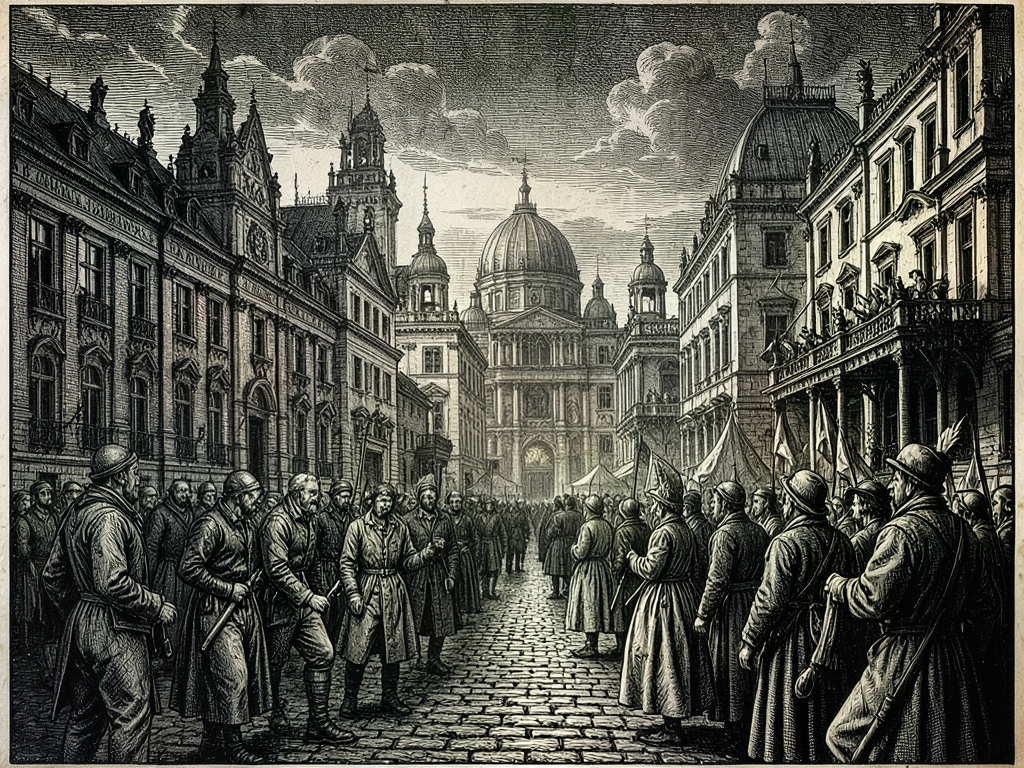
In the chill October of 1841, the Wiener Zeitung of the 20th instant arrived at our scriptorium, its pages bearing the weight of Empire. The official gazette, organ of the Imperial Chancery, promulgates decrees that ripple through the Habsburg Crownlands like stones cast into the Danube. Chief among these is the revision of commercial tariffs, a measure designed to invigorate the river's trade yet which casts a shadow of uncertainty over the merchant guilds of Pressburg and Pest. The document, authenticated by the Imperial seal, speaks of 'the harmonious regulation of tolls upon the great waterway,' a phrase that to the wary archivist suggests not harmony but the subtle hand of fiscal policy tightening its grip.
Of equal import are the recorded movements of the Danubian packet boats, those steam-driven vessels that now ply the river with increasing regularity. The gazette lists arrivals and departures at Vienna, Linz, and beyond, each entry a testament to the growing commerce that binds the Crownlands. Yet, as I perused these columns, I could not but recall the forgotten chronicles in our crypt—treaties of the Boyars, now crumbling, which once governed these very waters. The packets, for all their modern efficiency, traverse a river whose ancient privileges and obligations are but half-remembered, their legal foundations as shifting as the silt beneath the hulls.
Furthermore, the gazette contains notices of imperial appointments and judicial decrees, each a small thread in the vast tapestry of governance. A new commissioner for the Danube navigation, a revised schedule of port duties, the confirmation of a magistrate in Temesvár—these are the mundane yet vital cogs of the imperial machine. But beneath the surface of officialdom, I detect the quiet erosion of local custom, the slow replacement of ancient privilege by centralized decree. It is a process as inexorable as the river's current, and one that we archivists must document, lest the old ways vanish entirely.
Thus, this chronicle serves not merely as a record of the day's news but as a warning and a preservation. The Wiener Zeitung, for all its authority, cannot capture the whispers of the past that cling to the Danube's banks. It is our duty, in this Gazette, to remember the forgotten treaties and fortress histories, to hold fast to the parchment before it crumbles into dust. For in the end, the Empire's decrees may shape the present, but it is the archivist who safeguards the memory of what came before.