The Ledger of Empires: A Chronicle of the Gazettes of October 17, 1841, and the Silent Movements of Coin and Credit
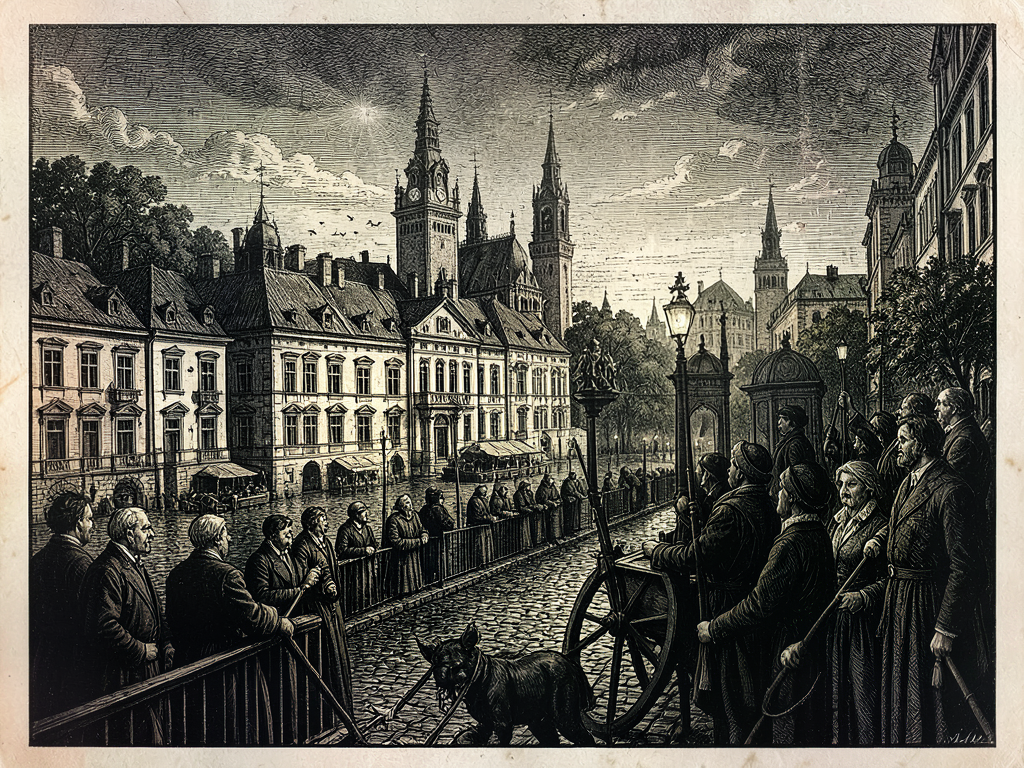
VIENNA, OCTOBER 17, 1841 — In the close chambers of the Exchange Arcade, where the air hangs heavy with the smell of lamp oil and damp wool, the morning's gazettes from the Austrian Crownlands arrived bound in their usual grey wrappers. These printed leaves, gathered from the imperial capital and the provincial presses, form a silent but ceaseless chronicle of our age. Let the idle reader seek sensation in the theatre notices; the commercial man attends to the columns of figures, where the true drama of the Empire unfolds in copper, timber, silver, and grain.
The official chancery edicts, though couched in the dry language of regulation, betray the anxieties of the treasury. A new schedule of duties upon imported timber from the Carpathian slopes has been promulgated, a measure that will surely ripple through the sawmills of Transylvania and the shipyards of the Danube. Meanwhile, the trade bulletins from Pest report a steady demand for copper ingots, with quotations firming at the Exchange. The silver thalers of the realm, those small, cold discs of reassurance, continue their slow migration from the imperial mint to the counting-houses of Vienna, a flow as relentless as the river itself.
In the coffeehouses along the Graben, merchants speak in hushed tones of the grain harvest in the Banat, where early frosts have nipped at the maize. The price of wheat has crept upward by a few kreutzers per metze, and the bakers of the inner city, ever watchful, have begun to adjust their loaves. Yet, amidst these fluctuations, there is a curious stability in the paper of the imperial gazettes—a testament to the order that the Habsburg bureaucracy imposes upon the chaos of the market. The daily lists of bills of exchange, the notices of bankruptcies and partnerships, all are recorded with the same meticulous hand, as if the Empire itself were a vast ledger, balanced each night by unseen clerks.
Let us not forget that these printed sheets are the arteries of commerce. From the smallest provincial town to the grand counting-houses of Vienna, the gazette carries the pulse of prices and the whisper of credit. As I retire to my desk, I find myself polishing a silver thaler between my fingers, its cold surface a talisman against the uncertainties of the morrow. The gazettes of October 17th, 1841, are now consigned to the archive, but their figures will echo in the counting-houses for weeks to come. Such is the quiet, relentless rhythm of our commercial age.