THE IMPERIAL LEDGER UNBOUND: A Day of Reckoning in the Markets of Vienna and Pest
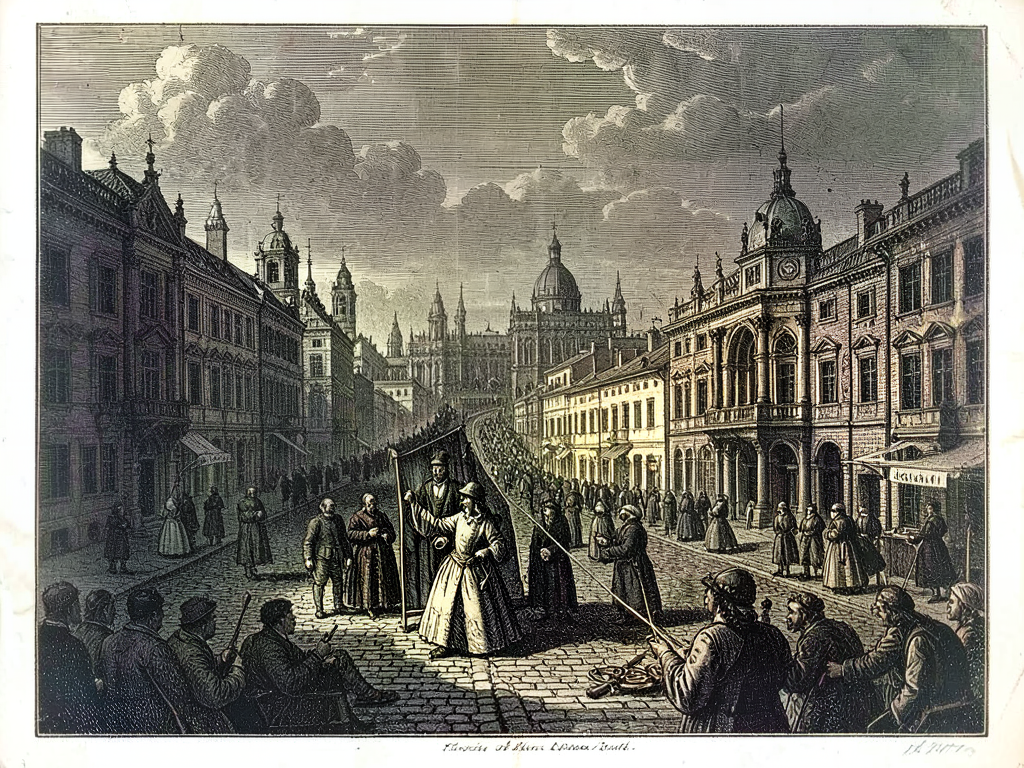
VIENNA, 11th September 1841. — The morning fog clung to the cobbles of the Graben as the newspaper boys of the Imperial City hawked their wares, and this auditor, having secured a bundle of the day's gazettes from the Exchange Arcade, retired to a lamplit desk to assay their contents. What emerges from the imperial, provincial, and commercial sheets of this single date is not merely a record of prices, but a portrait of an empire balanced between the harvest and the abyss. The official chancery edicts, printed in the fine blackletter of the Hofkanzlei, speak of a new tariff schedule for Moravian wool, while the trade bulletins of the Vienna Bourse record a steady, almost ominous, calm in the silver thaler against the paper gulden.
In Pest, the commercial gazettes tell a different tale. The corn exchanges along the Danube report a slight easing in wheat quotations, yet the timber rafts from the Carpathian uplands arrive in diminished number, their owners wary of the river tolls and the bandit rumours that cling to the Theiss. The price of copper, that vital humour of the telegraph and the church bell, holds firm at thirty-two kreuzer per pound in the Lower Austrian sheets, a figure that has not stirred in three weeks. One notes with a stoic satisfaction that the grain factors of Debrecen and Temesvár have begun to hedge their autumn contracts with unusual caution, as though scenting a winter of want.
The commercial intelligence from the Crownlands is fragmentary but suggestive. A bulletin from Lemberg notes a sharp demand for salt from the Wieliczka mines, while a Trieste shipping list records the arrival of three Levantine vessels laden with currants and olive oil, their cargoes already bespoken by the grocers of Graz. Yet the most curious entry is a modest chancery notice from Innsbruck, announcing the appointment of a new assay-master for the Tyrolean silver works—a post vacant these seven months. In these quiet appointments, one may read the empire's slow, deliberate pulse.
As the evening bells of St. Stephen's tolled, this auditor returned to his ledgers, the silver thalers cool beneath his fingers. The gazettes of 11th September 1841 will not be remembered for any great panic or crash. They record instead the ordinary, grinding machinery of commerce: the tariffs, the tolls, the cautious bargains of men who fear the coming snow. And in that very ordinariness lies the true chronicle of an empire that endures.