The Imperial Ledger: A Survey of Gazettes and the Pulse of Commerce
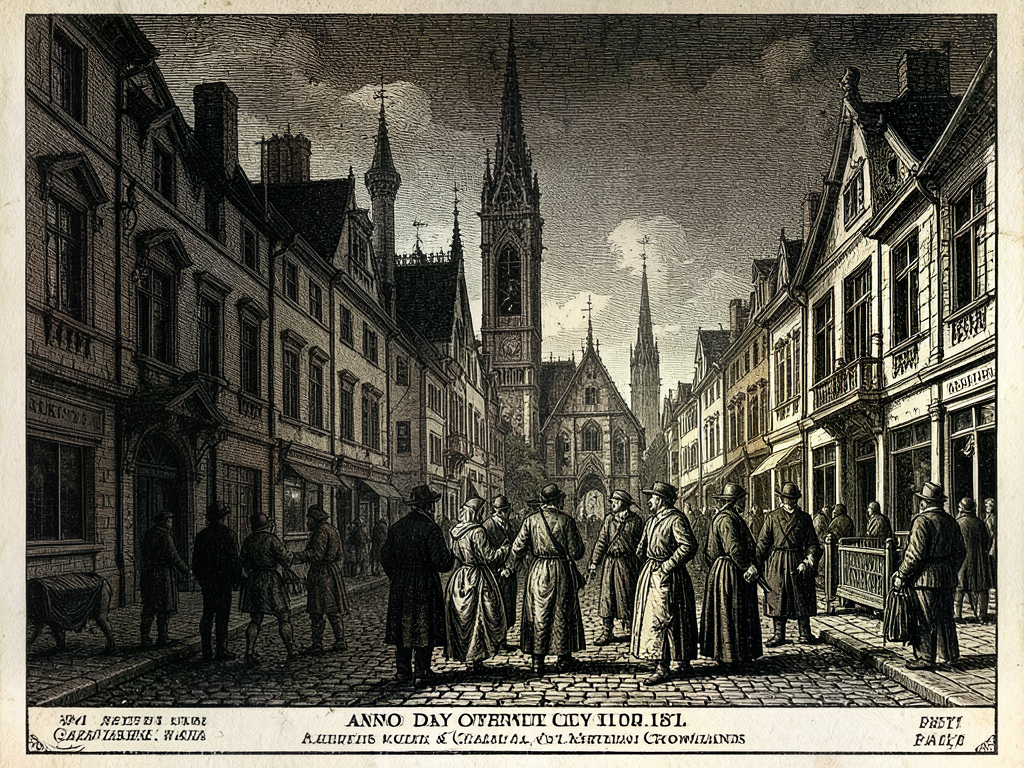
Vienna, 5th September 1841 – The diligent reader of the imperial press, perusing the comprehensive folios of the Austrian National Library's collection, beholds a veritable cornucopia of commercial intelligence. This day's gazettes, from the grand Wiener Zeitung to the provincial sheets of the Crownlands, present a vivid panorama of the empire's economic sinews. Chancery edicts concerning the transit of grain along the Danube and the adjustment of tolls at the Iron Gates are printed with due solemnity, while the trade bulletins of Pest record a brisk demand for Transylvanian timber, its price firming by three kreuzers per fathom.
Yet it is not merely the dry figures of commerce that command attention. In the arcades of the Viennese Börse, whispers of a contraction in the silver market have set the brokers abuzz, and the official notices reflect a cautious adjustment in the exchange rates against the thaler. The provincial journals of the Banat, meanwhile, lament the sluggish movement of copper from the mines of the Bistra Valley, attributing the delay to the unseasonable rains that have rendered the mountain roads all but impassable. Such dispatches serve as a somber reminder of the fragility that underlies even the most prosperous of enterprises.
Amidst this flood of print, one cannot overlook the subtle interplay between state and market. The imperial chancery, in its wisdom, has published a decree standardizing the weights and measures for the sale of wool in the eastern provinces, a move that the more astute commentators greet as a harbinger of centralized regulation. Concurrently, the commercial gazettes of Pest advertise the arrival of a convoy of Austrian textiles, their quality praised in terms that suggest a keen rivalry with the English cottons, and the prices quoted indicate a healthy competition that bodes well for the discerning consumer.
For the merchant and the landowner alike, the 5th of September offers a mirror of the empire's economic soul—a reflection both reassuring and troubling. As the autumnal equinox approaches, and the harvests are gathered into the granaries, the prudent will study these columns with the gravity they deserve, for in the interplay of edict and price lies the future of our commerce, and the prosperity of our beloved Crownlands.