The Imperial Ledger and the Shadow of the Charter: News from Vienna and the Carpathian Frontier
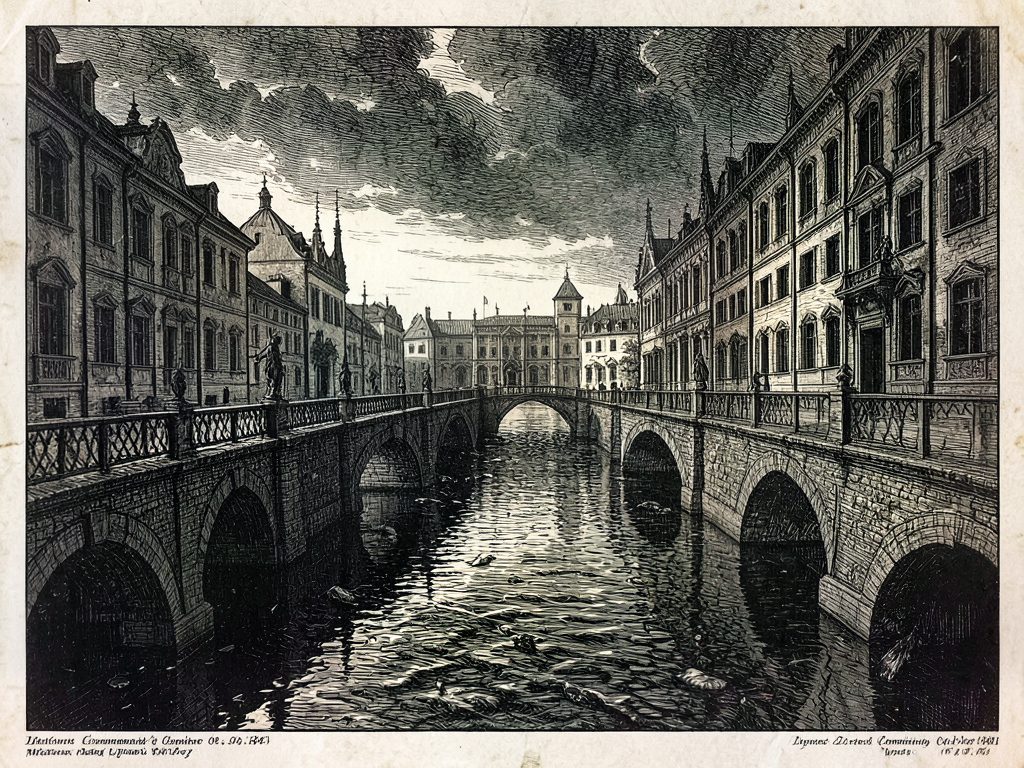
The 4th day of September, Anno Domini 1841, brings to our scriptorium the latest sheets of the Imperial Court and Danube Commercial Gazettes, printed in Vienna and conveyed thence by the diligence that labours over the mountain passes. As is the wont of these official chronicles, they are dense with the minutiae of empire – the decrees of the Imperial Chancery concerning the transit of salt and timber, the scheduled departures of the steam packets from Linz and Pressburg, and the revised tariffs that are to govern the trade upon the Danube's shifting waters. All is recorded with that cold precision which the Habsburg chancellors affect, as if the very rivers of Christendom could be bound by paragraphs and seals.
Yet as I perused these pages by the guttering tallow in my crypt beneath the cathedral, a familiar disquiet crept upon me. For amongst the columns of figures and the dry recitations of customs duties, there lies a more portentous matter. It is whispered in the margins of these very dispatches – a cipher of sorts – that the Imperial chancery has begun a methodical examination of all municipal charters, privileges, and foundational deeds within the eastern Crownlands. The stated purpose is the harmonisation of commercial law, a phrase that chills the blood of any true antiquarian. For I hold in my possession a parchment, discovered but a fortnight ago, which proves that the very charter of our own Citadel is an elaborate forgery, crafted in the fourteenth century to secure certain rights of toll and passage.
This news from Vienna, then, is no mere ledger of commerce. It is a portent. The Imperial scribes, in their quest for order, may soon turn their gaze upon our valley. And what will they find? A citadel whose founding document is a sham, its liberties built upon a medieval fiction. The tariffs, the packet boats, the decrees – these are but the surface of a deep and troubled water. Beneath them lies a history that certain powerful men would prefer to remain buried. My duty is clear: to ensure that the true chronicle of our walls is preserved, whether in the imperial archive or in the hidden recesses of this very crypt, lest the forger's ink rewrite the destiny of our people.