The Imperial Ledger: A Survey of the Realm's Gazettes and the Pulse of Commerce
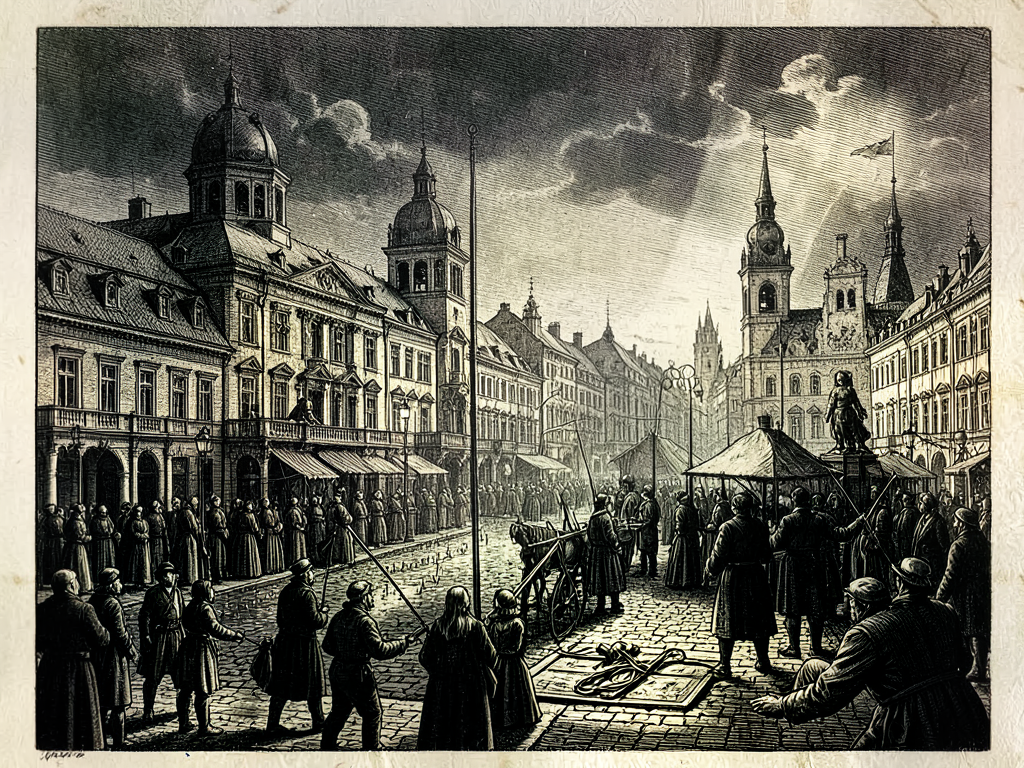
Vienna, 1st September, 1841. This day, the Imperial and Royal capital presents a formidable array of gazettes, each a mirror to the multifarious concerns of the Austrian Crownlands. The diligent reader of the commercial bulletins will find the usual columns of grain, timber, and metal prices, but a closer perusal betrays a subtle tremor beneath the quotidian listings. The chancery edicts, printed in the official sheets, speak of new tariffs on Bohemian flax and a tightening of the salt monopoly in Galicia, measures that the Bourse has received with guarded silence.
In Pest, the trade in Hungarian wheat has seen a modest but notable rise, owing to the timely arrival of barges from the Theiss. Yet, the optimism is tempered by reports of a poor vintage in the Tokaj region, which has set the wine merchants to murmuring. The exchange arcade there, ever a theatre of nervous energy, witnessed a brisk but cautious trade in silver thalers, with several houses converting their holdings into Vienna banknotes—a flight to liquidity that the more seasoned brokers interpret as a sign of impending volatility.
The provincial journals, from Prague to Lemberg, echo these sentiments with local variations. The Bohemian papers lament the slow movement of glassware and china, while those of the Tyrol note a steady demand for timber from the Italian provinces. Amidst this tapestry of commerce, the official Wiener Zeitung carries a proclamation from the Hofkammer regarding the regulation of pawnbrokers, a measure that, while prudent, has cast a pall over the smaller money-lenders who ply their trade in the shadow of St. Stephen's.
Thus, the realm's press, as compiled in the great repository of the Austrian National Library, offers not merely a record of prices and edicts, but a chronicle of anxieties and aspirations. The careful observer discerns that the Empire's prosperity, though robust, is not immune to the caprices of harvests and the machinations of finance. As the autumn approaches, the merchants of Vienna and Pest alike brace for the season of reckoning, their eyes fixed on the columns of the very gazettes that now lie before us, a testament to the enduring power of the printed word in the service of Mammon.